

How to quote freight rates and explain every factor to a shipper

Stop guessing rates.
Price every lane with confidence using paid-in rate data.
Key takeaways
- Start every quote with the lane, equipment type, and direction, then add fuel and carrier cost pressure using your own fuel surcharge baseline.
- Price in team, hazmat, overdimensional, and lumper details before you quote.
- Check the number against paid and posted rates, since paid rates lag.
To quote a freight rate, start with the lane and equipment, add fuel and carrier costs, price in load details such as team, hazmat, overdimensional, or lumper needs, and check the result against paid and posted market rates. How freight rates are calculated comes down to those same factors, and a broker who can name each one can defend the number to a shipper.
Quote too low and the margin disappears, or no carrier takes the load. Quote too high and the shipper goes to another broker. Knowing what affects freight rates is how you find the number between the two.
Building the quote step by step, from the lane out to the market, gets you closer to a number both sides will accept. The same steps give you the reasoning to explain that number if a shipper asks why.
1. Start with the lane and equipment
Every rate starts with the lane. Origin, destination, and equipment type set the starting point, and direction matters as much as distance. The same 500 miles prices differently heading into a busy market than heading out of one, because the carrier has to think about where the truck ends up.
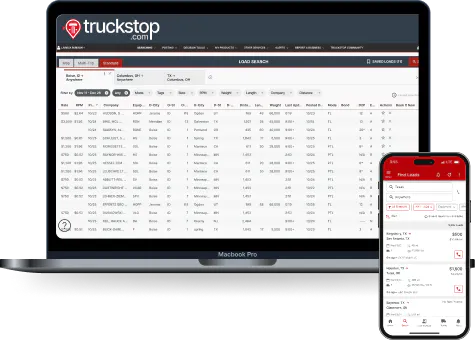
Your own lane history helps, but it ages quickly. Running a truck and lane search on the Broker Load Board shows how much capacity is available right now, which tells you whether you are quoting into a crowded market or a thin one.
2. Add fuel and carrier costs
Fuel moves faster than most contracts do, so your quote needs a fuel surcharge baseline you can state, not a rule of thumb. When the baseline is vague, the surcharge becomes the first line a shipper can question.
Other costs push on carrier rates too. Capacity has been leaving the market while insurance, diesel, and toll costs keep climbing, according to the recap of four freight leaders’ 2027 outlook. When carriers pay more to run, the rate needed to cover a load goes up, and that is the part to explain.
3. Price in the load details
Some loads cost more to move no matter what the lane is doing. Four details come up most:
- Team drivers, when the delivery window calls for two drivers.
- Hazmat, which limits the pool of qualified carriers and drivers.
- Overdimensional freight, which can need permits and special handling.
- Lumper fees, which are charges for unloading at the receiver.
Weight matters too. Paid and posted rates can differ by weight bucket, so a quote built on a general lane average can miss on a heavier or lighter load. Adjusting for these details before you quote is easier than explaining a surprise charge afterward.
4. Check the quote against the market
Before the quote goes out, test it against what the spot market is doing. Paid rates show what loads actually moved for, which makes them a useful anchor. The problem is timing. Paid rates are historical and they lag, so a lane that tightened this week may not show it yet.
Posted rates fill that gap by showing what the market is asking now. Live load board competition, recent lane trends, and weather on the route add more context.
5. Be ready to explain the rate when the shipper pushes back
You already weigh most of these factors when setting freight broker rates. The hard part is showing the work. Shippers listen for the reasoning behind a number, and a rate you can explain is one of the things they want to hear before they hire a brokerage.
Pulling that reasoning together in the middle of a call means jumping between data sources, and a rate you cannot back up quickly is easy for a shipper to push down.
A lane view that shows paid and posted rates side by side takes most of the digging out, and the AI-generated explanation in Rate Insights Advanced puts the assumptions behind each rate into plain language you can walk a shipper through. The AI writes the explanation but does not set the number.
The same view covers the details that tend to trip up a quote:
- Adjustments for team, hazmat, overdimensional, and lumper loads, plus your own fuel surcharge baseline, so the quote reflects the load in front of you.
- Live load board competition, lane trends, and weather on the route, so you know what is happening on the lane today.
- The rate per mile, the high and low range, and the 3-year trailing average, so the number comes with context.
With the reasoning in front of you, the shipper conversation shifts from defending a number to walking through how you built it.
Walk into the rate conversation prepared
To quote a freight rate you can defend, work through the freight rate factors in order, starting with the lane, then fuel and cost pressure, load details, and market timing.
Start this week with one lane you quote often, run those four checks, and write down which factors you could defend today.
One view that holds those factors, paid and posted rates, and a plain-language explanation means less digging before a call. Rate Insights Advanced is built for that.




Get helpful content delivered to your inbox.
Price against the market as it moves
See rate trends by lane and equipment type, updated the moment new trucks and loads post.





.png)

.png)

