

10 things shippers want to hear before they hire your brokerage

Prospect smarter
with Shipper Hub
A shipper database with a built-in CRM and AI-assisted outreach, right inside Truckstop.
Getting a new shipper on the phone is hard-won. The accounts with strong reputations and steady volume usually have their lanes covered, and plenty of others run their own trucks. The rest are worth chasing, but they are picky about who they hand freight to.
Filling your pipeline with shippers worth pitching is its own challenge, and there is more than one way to find new shippers. Getting the meeting is only half of it, though. What you say once you have their attention decides whether you get the freight.
Newer brokers often struggle to get on a daily load list, let alone into a real conversation. So when a shipper does give you a few minutes, make them count and be clear about what you can give them that they don’t have today.
Here are 10 things a shipper needs to hear from you before hiring you.
1. Your modes and lanes
Shippers want to work with brokers who have experience in their industry. A broker who understands the needs of shipping produce can guide a shipper on the best shipping timeframes and any permits a load needs.
When you pitch your business, quickly share your relevant experience and how it applies to the freight they move. For example, what types of trucks can you easily access, and what lanes do your best drivers cover?
2. How long you’ve been in the shipping business
Shippers will typically ask this, so be prepared to answer. If you’re a newer broker, highlight your previous experience in the trucking industry and your most recent accomplishments.
Were you a driver? Have you gone through any special training programs? Consider joining the Transportation Intermediaries Association, which has a strict code of ethics you can mention.
3. You’re FMCSA licensed and bonded
You’d be shocked by how many brokers try to break into the market without having proof they are licensed and bonded.
The Federal Motor Carrier Safety Administration (FMCSA) requires freight brokers to hold a $75,000 surety bond before they’ll provide a freight broker license. Getting the bond does not cost you $75,000. You pay an annual premium that is a percentage of the bond amount, based mostly on your personal credit and time in business. If you don’t have a bond, start the process to get one right away.
4. You have contingent cargo insurance
The shipper needs to know that if a carrier can’t cover a claim, you’ll have their back in the case of lost or damaged freight.
Contingent cargo insurance for brokers and agents covers complicated claims between shippers and carriers. Insurers might deny a claim, or a shipper or carrier might not meet their obligations to the other parties. The coverage is a safety net you carry to protect the shipper’s interests.
5. A quote for your rates and lanes
When a shipper asks for a quote, they want a clear number they can act on and enough detail to know what it covers. A rate with no breakdown is hard to trust and harder to weigh against another broker’s bid.
Give a shipper the full picture for each lane you quote:
- The line-haul rate, and whether you are quoting per mile or a flat rate for the lane.
- The fuel surcharge, and how it moves if diesel prices change.
- Any accessorial charges, so detention, layover, or lumper fees do not show up as a surprise later.
- Whether the number is all-in or line-haul only.
Spelling out accessorials lets a shipper compare offers evenly. A lower headline rate can end up higher once the extra fees get added, which a shipper comparing bids will notice.
Be ready to explain why your rate is what it is. A number you can back with market data holds up better than one that sounds like a guess. To see how your rates stack up against the market, watch trends over time, and spot opportunities, pull up Rate Insights.
6. How you source capacity
Shippers want to know their brokers can find capacity quickly and reliably, whatever the market is doing, across different load types. A soft market with plenty of trucks is easy. What a shipper cares about is whether you can still cover a load when capacity tightens or a lane runs thin.
Walk them through how you actually find carriers. A few things worth naming:
- The size and reach of your carrier network across the lanes you run.
- How you handle tough or specialized lanes, not just the easy ones.
- What happens when a carrier falls off a load close to pickup.
- Whether you can move freight after hours and on weekends.
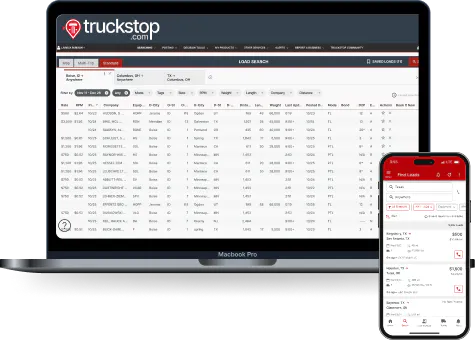
A load board keeps that from depending on cold calls alone. You can post loads, search trucks by lane and equipment, and negotiate with several carriers at once to get loads covered fast with the Truckstop Load Board.
7. How you evaluate and monitor carriers
Let prospects know you check insurance and CDL when you evaluate carriers. Prospects will be even more reassured to hear that you verify every carrier’s credentials, safety rating, and compliance status.
Checking all of that by hand across FMCSA, insurance certificates, and separate portals is slow. You can pull a carrier’s authority, insurance, safety, and compliance into one profile with Carrier Hub, then clear the carrier before you tender the load.
Evaluating a carrier once is not enough. Show shippers that the same profile keeps watching authority, insurance, and safety after a carrier is onboarded, so a lapse does not slip past you between loads.
8. You invoice accurately and on time
A shipper burned before by a poorly organized broker wants to know that you respect their time. Sending correct invoices on time can be the difference that wins you new business.
A broker TMS keeps that from becoming manual work. You can create an invoice with a single click in ITS Dispatch, which works with QuickBooks so your billing stays in one flow. Build detailed carrier payables, send clear customer agreements, and email load sheets from the platform.
9. Your carriers pick up and deliver on time
Many shippers stay with a broker they trust even when the rates are higher, because they can depend on the loads getting covered. A late or missed pickup does not just cost one load. The delay can back up a production line or blow a delivery window the shipper promised their own customer.
Show a shipper you take schedules seriously, and point to your track record on pickups and deliveries. Be specific about how you keep loads on time. You confirm a carrier is rolling and on schedule, you catch a delay early instead of at the dock, and you flag a problem to the shipper before they have to ask.
10. You’re available around the clock
Shippers run their businesses 24/7. Convince new leads you can get their loads from point A to point B. Show them that you will troubleshoot loads, move 911 loads, and pass on important information from the carrier when needed, even if that means working outside normal business hours.
Know the shipper before the first call
Even a strong pitch does little if it sounds generic. Shippers can tell when a broker is reading from a script instead of speaking to their business. Walking in with real context about what they ship and how they operate changes the whole conversation.
That context used to take hours of digging across company sites, news, and LinkedIn. Smart Search in Shipper Hub pulls it into one profile before you dial. A shipper name returns their industry, freight spend, main commodities, and location, along with signals like recent expansions, new funding, or leadership changes, each with a note on why it might point to more freight.
So instead of opening with questions to work out what a shipper cares about, you start the call already knowing. You can point to the lanes and modes that fit their freight, and speak to the growth that has them shipping more.
Walk into every shipper pitch prepared
Getting on a shipper’s list comes down to proving you are licensed, covered, reliable, and easy to work with. The brokers who win say it with specifics, backed by real knowledge of the shipper in front of them.
Finding those shippers and knowing what to say used to mean piecing together directories, LinkedIn, and cold lists that never connect. Shipper Hub pulls both into the platform you already use to cover loads.
Shipper discovery starts with Smart Search, which draws on a database of 1.8 million searchable shipper records to turn a company name into a pitch-ready read.
Each prospect gets a Customer Intelligence Score that ranks it by freight-spend potential and fit, so you focus on the accounts most likely to sign. A built-in pipeline then tracks each one from first touch to closed deal.
All of it sits inside the account you already use to cover loads and price freight, so there is nothing new to learn or bolt on. Give your prospecting the same home as the rest of your day, and start turning first calls into signed accounts.
Topics:




Push any load to the top of the carrier search with Load Boost. No reposting, no raising your rate. Pay only when you need it.
Get helpful content delivered to your inbox.
Cover your hardest loads first
Push any load to the top of the carrier search with Load Boost. No reposting, no raising your rate. Pay only when you need it.





.png)

.png)

