

Predictive analytics: forecasting freight demand before competitors

Gain a deeper
Understanding of the spot market.
Price every load right and make more money. Truckstop's Spot Market Insights is a must-have resource.
You know that sinking feeling when you quote a lane on Monday, only to watch truck freight rates spike by Thursday? Or when your driver finishes a delivery with no solid backhaul lined up?
These aren’t just frustrating moments—they’re costly ones. But here’s the thing: you don’t have to operate this way. Using predictive analytics for forecasting freight demand helps you see what’s coming before your competitors do, so you can make smarter decisions about pricing, capacity, and positioning.
Let’s talk about how to forecast freight demand with predictive analytics and what it can do for your business.
The challenges of reactive freight booking
If you’re a broker, you might recognize this pattern: A shipper sends you a load. You post it. You wait. No bites? You bump the price. Market’s hot? You might even overbid just to secure capacity quickly.
This reactive approach creates problems. Shippers get frustrated with delays. You might lose margin when you have to pay more than you quoted. And if you based your quote on last week’s rates? You could end up eating the difference just to keep the relationship intact.
Carriers face similar challenges. Your driver wraps up in Dallas and checks the app for a backhaul. Without planning ahead or using data analytics to predict freight volumes, there’s a real risk of running empty. With empty miles at 16.7% and operating costs at $2.26 per mile, according to ATRI’s 2025 Research report, even a small planning miss can take a real bite out of profitability.
and empty miles hit 16.7% according to ATRI’s 2025 report. With operating costs at $2.26 per mile, a bad decision can quickly eat into your profits.
Looking at last week’s data helps, but it’s like driving by checking your rearview mirror. Predictive analytics: forecasting freight demand before competitors gives you the full windshield view, showing you what’s ahead so you can navigate with confidence.
Key data points for accurate demand forecasting
Good forecasting isn’t just one number. It’s connecting the dots across multiple signals. When using data analytics to predict freight volumes, you’ll want to consider:
- Historical patterns show you seasonal freight trends, like harvest season or holiday retail surges. These create your baseline for accurate freight demand forecasting for shippers and brokers.
- Real-time signals catch sudden shifts, like a spike in tender rejections, that tell you rates are about to move fast.
- Economic indicators add context. Fuel prices, consumer spending, and manufacturing data all influence how many loads hit the market and what they’ll cost to move.
The best part? Modern tools pull all this together automatically. You don’t need to be a data scientist or spend hours in spreadsheets. You just need to know how to forecast freight demand with predictive analytics and how to act on those insights.
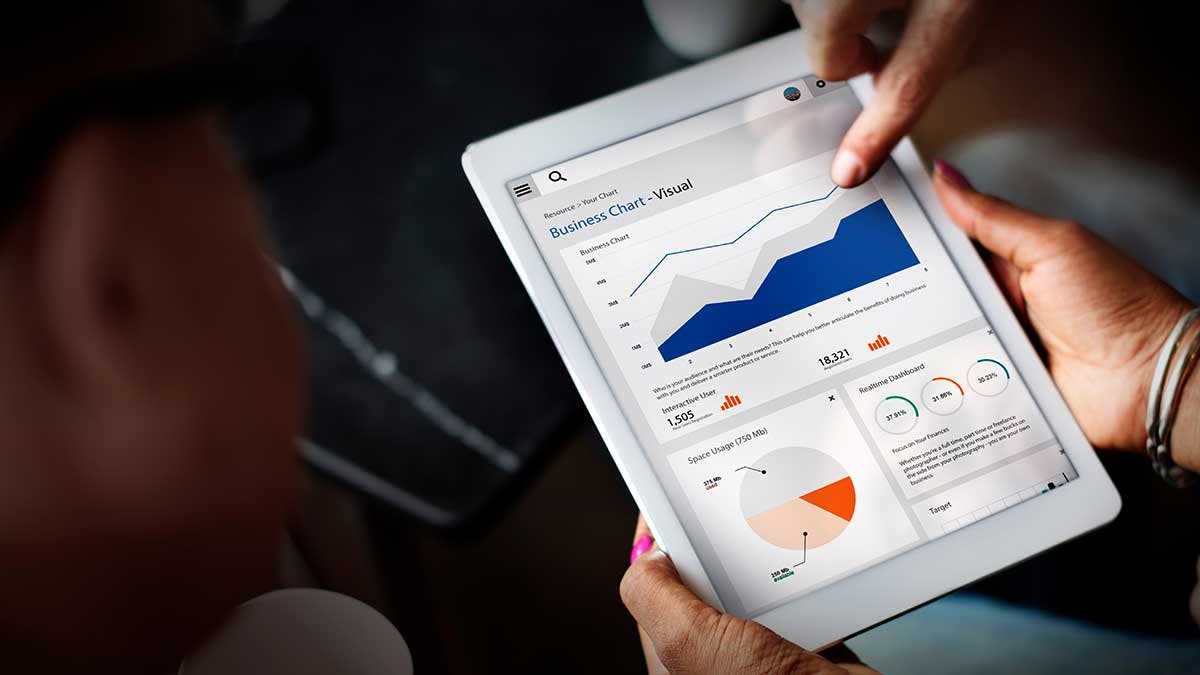
How brokers use predictive models to protect margins
For brokers, forecasting freight demand is only half the challenge. The other half is pricing loads accurately when the market is moving—and doing it fast enough to protect margin and secure capacity.
Rate Insights helps brokers ground their quotes in current market conditions by providing load-level rate estimates based on posted and booked rates from the Truckstop marketplace. Instead of relying on outdated averages or last week’s pricing, brokers can evaluate each load against recent market activity and see how similar freight is currently being priced.
With daily updates and built-in market trends, Rate Insights gives brokers clearer context around whether rates are tightening or loosening in a lane. That visibility helps brokers adjust pricing with confidence, set realistic expectations with shippers, and enter carrier negotiations backed by market data—not guesswork.
By pairing demand forecasting with Rate Insights, brokers are better equipped to price loads competitively, respond to market shifts faster, and maintain stronger control over margin in volatile conditions.
How carriers use forecasting to position assets
As a carrier, your biggest challenge is keeping your truck full with profitable loads in both directions. Using logistics predictive analytics to stay ahead of demand makes all the difference.
Say your driver drops a load in Chicago. Where’s the next opportunity? Hot lane data shows you nearby markets where demand is rising, so you can position strategically instead of hoping something pops up.
Before accepting your next load, check the load-specific rate trends with Rate Insights, included in Truckstop.com Load Board Pro. You can see rate patterns going back as far as four weeks, helping you understand whether the offer you’re looking at is fair based on recent market conditions.
When you leverage predictive analytics for forecasting freight demand to know where the freight is flowing, you reduce deadhead miles and increase your negotiating power. That’s how you turn every load into a profitable one.
3 key metrics to watch for early demand signals
Keep an eye on these early indicators when using predictive analytics forecasting freight demand before competitors react:
Load-to-truck ratio: When this climbs, demand is heating up and rates will likely follow.
Tender rejection rates: When contract carriers start turning down loads, the spot market is about to get flooded, and prices will surge.
Spot-to-contract spread: Big gaps between these rates signal volatility ahead. When spot rates jump well above contract rates, carriers reject tenders for better-paying loads, pushing even more freight to the spot market and driving prices higher.
Implementing a predictive strategy in your workflow
You don’t need to overhaul your entire operation to start using predictive analytics for forecasting freight demand. Start with these practical steps:
- Check forecasts before quoting or booking. Make it part of your routine, just like checking the weather before a road trip. This is how to forecast freight demand with predictive analytics in your daily workflow.
- Review weekly market reports. Resources like Spot Market Insights give you the big-picture view of what’s happening regionally, helping you with logistics predictive analytics to stay ahead of demand.
- Adjust your strategy based on MDI scores. Brokers can use freight demand forecasting for shippers and brokers to pad quotes in tight markets or bid more aggressively when capacity is loose. Carriers can move assets toward hot lanes to secure better backhauls.

Get one step ahead of the market
When you stop reacting and start anticipating using data analytics to predict freight volumes, everything changes. You’re no longer scrambling; you’re positioning. You’re not guessing; you’re deciding based on data.
For brokers, predictive analytics: forecasting freight demand before competitors means keeping loads moving while protecting your margins. For carriers, it means fuller trucks and better rates.
The market will always have ups and downs. But with the right tools, like Truckstop.com’s Rate Insights for near real-time pricing or Rate Analysis for lane-by-lane trends, you can use predictive analytics for forecasting freight demand to navigate those changes with confidence.
The question isn’t whether the market will shift. It’s whether you’ll be ready when it does.




Get helpful content delivered to your inbox.
Sign up today.
Find high-quality loads fast, get higher rates on every haul, and access tools that make your job easier at every turn.






.png)

.png)

